10 November 2026
Introduced in the Commons
Josh Babarinde, the Liberal Democrat MP for Eastbourne, brought it in under the ten-minute rule with cross-party sponsors. He calls it the St George's Bill.
Second reading on 23 April 2027
Keep the census honest.
A Bill before Parliament would add "Black English" and "Asian English" to the census ethnic group question. It would blur the figures the country relies on, just before the 2031 census.
Join the protest
On St George's Day, MPs hold the second reading of the St George's Bill. Stand with us outside Parliament.
Bring a St George's flag and a friend. Keep it peaceful.
This campaign runs on goodwill. A donation helps pay for the demonstration in Parliament Square, for printing and for getting the word out.
Payments are handled securely by Stripe.
The facts, as reported when the Bill was introduced.
10 November 2026
Josh Babarinde, the Liberal Democrat MP for Eastbourne, brought it in under the ten-minute rule with cross-party sponsors. He calls it the St George's Bill.
Two new boxes
The Bill would add both to the ethnic group question. Today "English" appears in that question only as part of the White group.
23 April 2027
The debate is set for St George's Day. The next census of England and Wales follows in 2031, with a large test in spring 2027.
Since 2011 the census has asked a separate question on national identity. Anyone can tick English there, whatever their background. Nobody is shut out of saying so.
It records ancestry and heritage. The English are an ethnic group as well as a nation, with roots in this land going back many generations. A form that treats the word as a label anyone may add stops measuring that group at all.
The ethnic group table is how the country sees itself changing. In our view, spreading "English" across several groups in 2031 would muddy that picture and weaken comparison with 2011 and 2021. That is our judgement of the effect, whatever the intention behind the Bill.
80.5%2011
74.4%2021
Share of people in England and Wales who gave their ethnic group as White English, Welsh, Scottish, Northern Irish or British (ONS, Census 2021).
A change of this size deserves a clear count in 2031, on the same terms.
The government's own list of ethnic groups includes English, under White.
The English are a people as well as a nation. They take their name from the Angles, one of three peoples who crossed the North Sea after the Romans left Britain.
An English person is someone who can trace their lineage back to the Angles, Saxons and Jutes, the peoples who together became known as the English.
The Angles, Saxons, Jutes and Danes all came from the same corner of north-west Europe, the lands around the North Sea from the Netherlands through northern Germany to Denmark. The Normans were Northmen too, Norse settlers in northern France. Each wave drew on the same northern peoples, so it added to the English and did not replace them.
Around 410
Roman rule in Britain ends. The Britons are left to defend the island themselves.
From around 450
Angles, Saxons and Jutes cross the North Sea from what is now Denmark, northern Germany and the Netherlands. Bede gives the traditional date as 449.
Around 600
The Jutes hold Kent and the Isle of Wight. The Saxons found Wessex, Essex and Sussex. The Angles found East Anglia, Mercia and Northumbria.
731
Bede finishes his Ecclesiastical History of the English People. He names the Angles, Saxons and Jutes as the forebears of the English.
From 865
Danish armies conquer and settle much of the north and east. They came from the same North Sea lands as the Angles and the Jutes.
927
Æthelstan becomes the first king of all England. The land of the Angles is one realm.
1066
William of Normandy takes the crown. The Normans were Norse settlers in northern France. Their lords were few. In time they too become English.
2022
A study in Nature finds that people buried in early medieval eastern England drew up to 76% of their ancestry from the continental North Sea region.
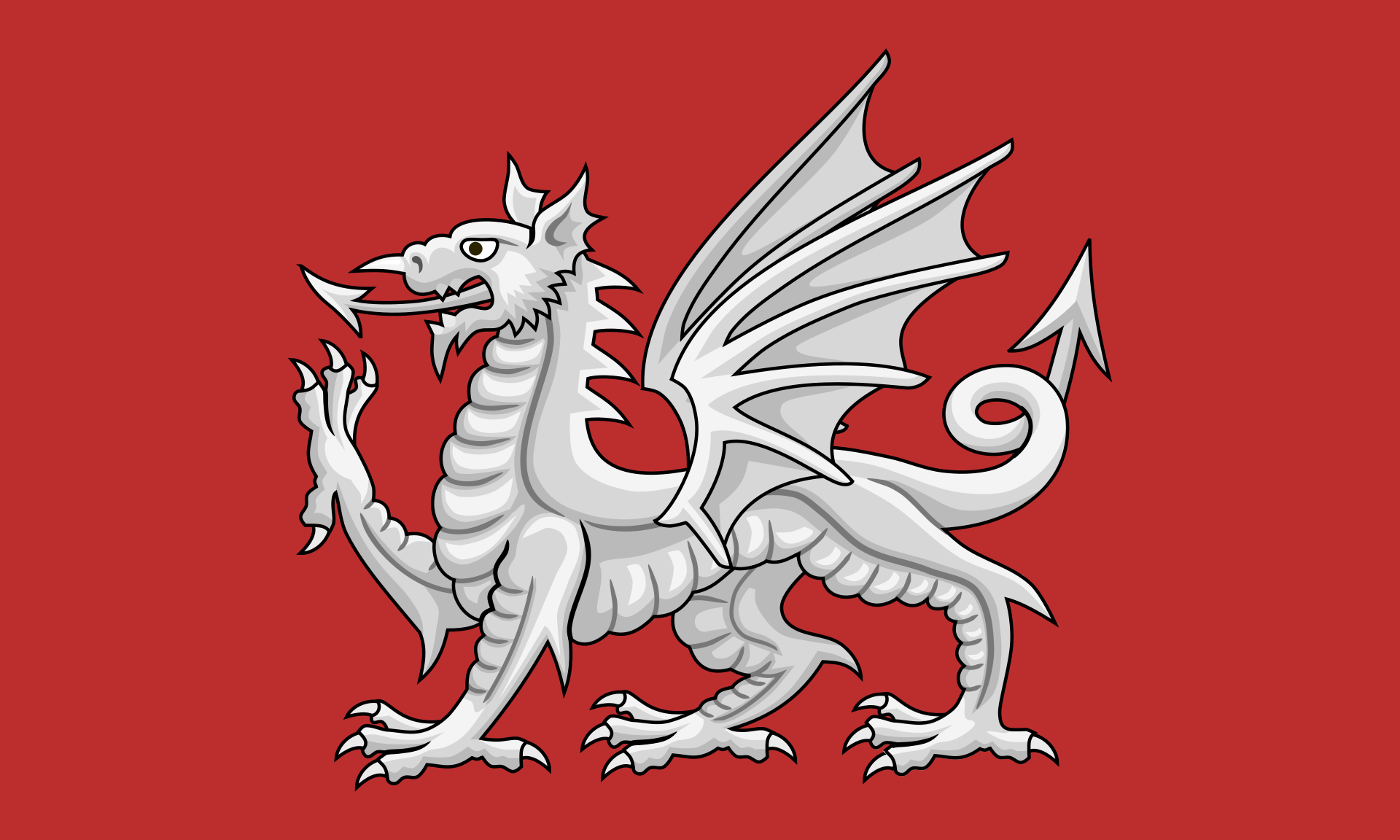
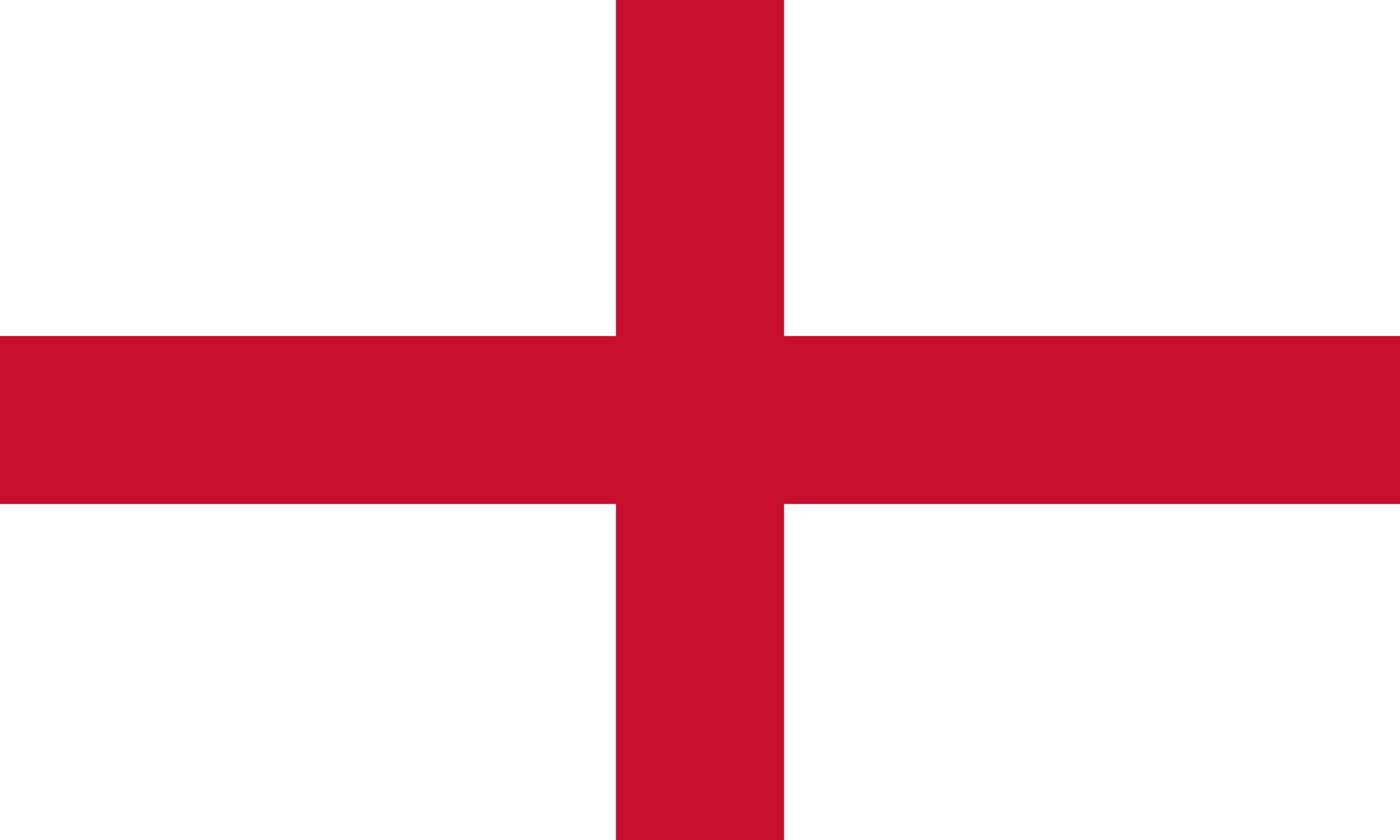
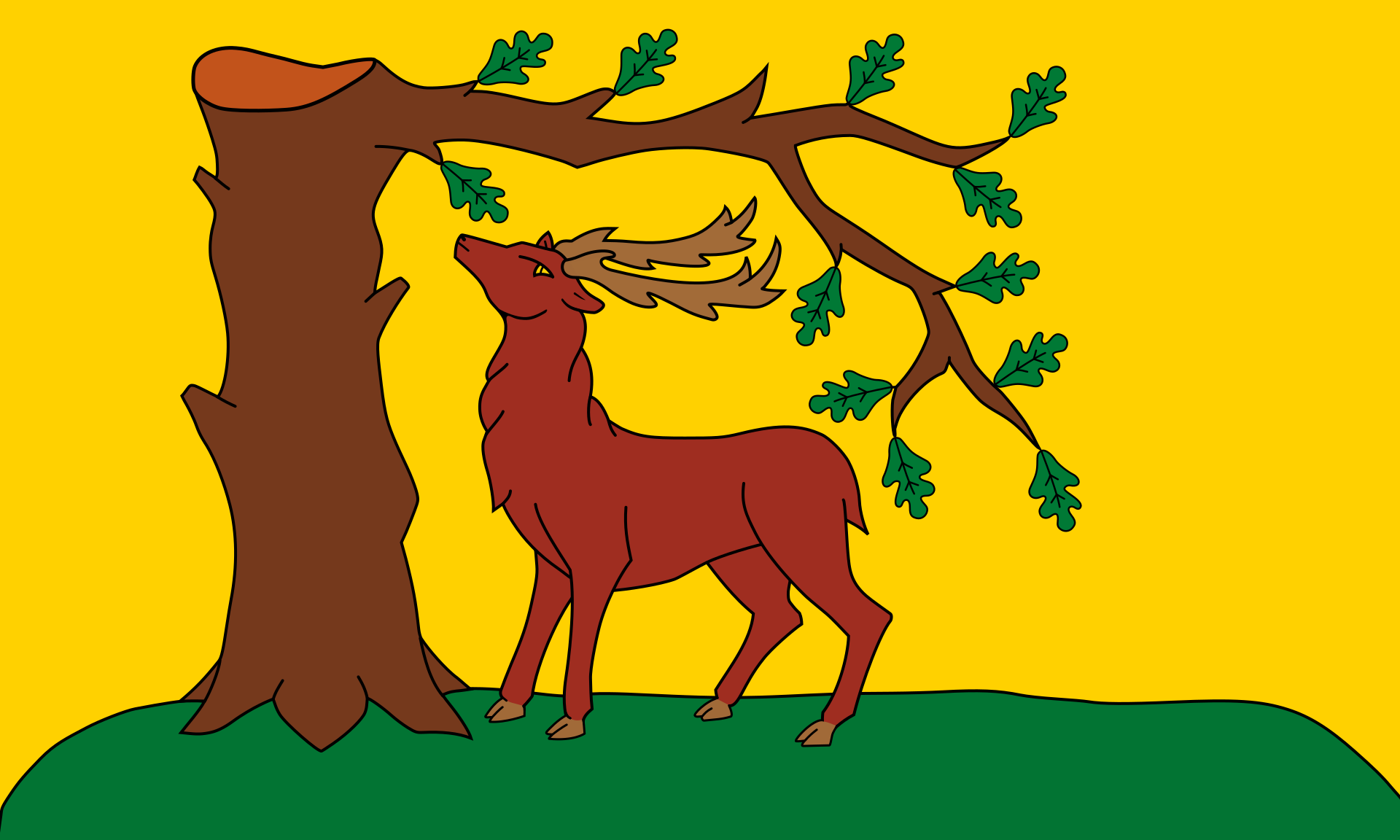
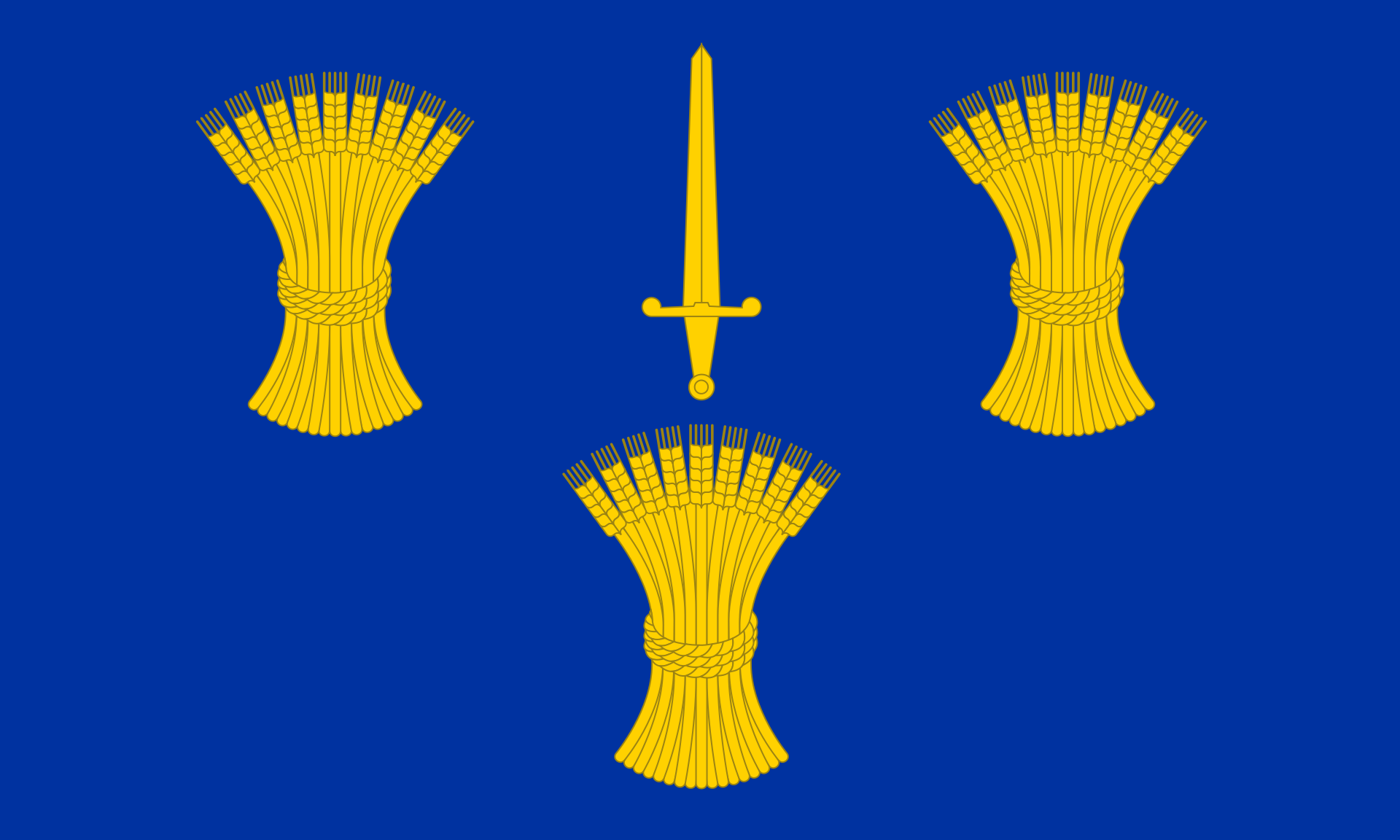
England's flags carry its history, from the white dragon of legend to the crosses, roses and horses of its historic counties.
 Bedfordshire
 Berkshire
 Buckinghamshire
 Cheshire
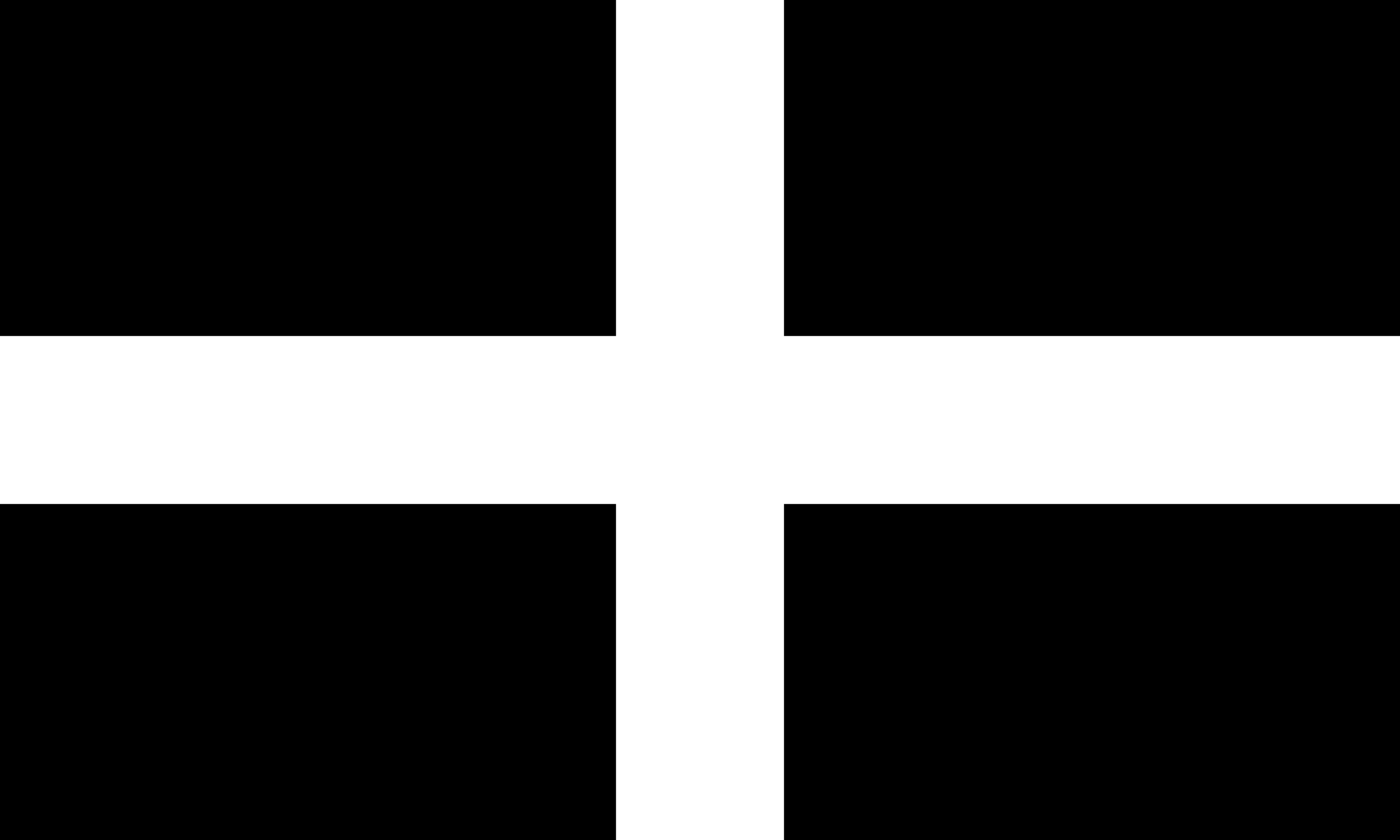 Cornwall
 Cumberland
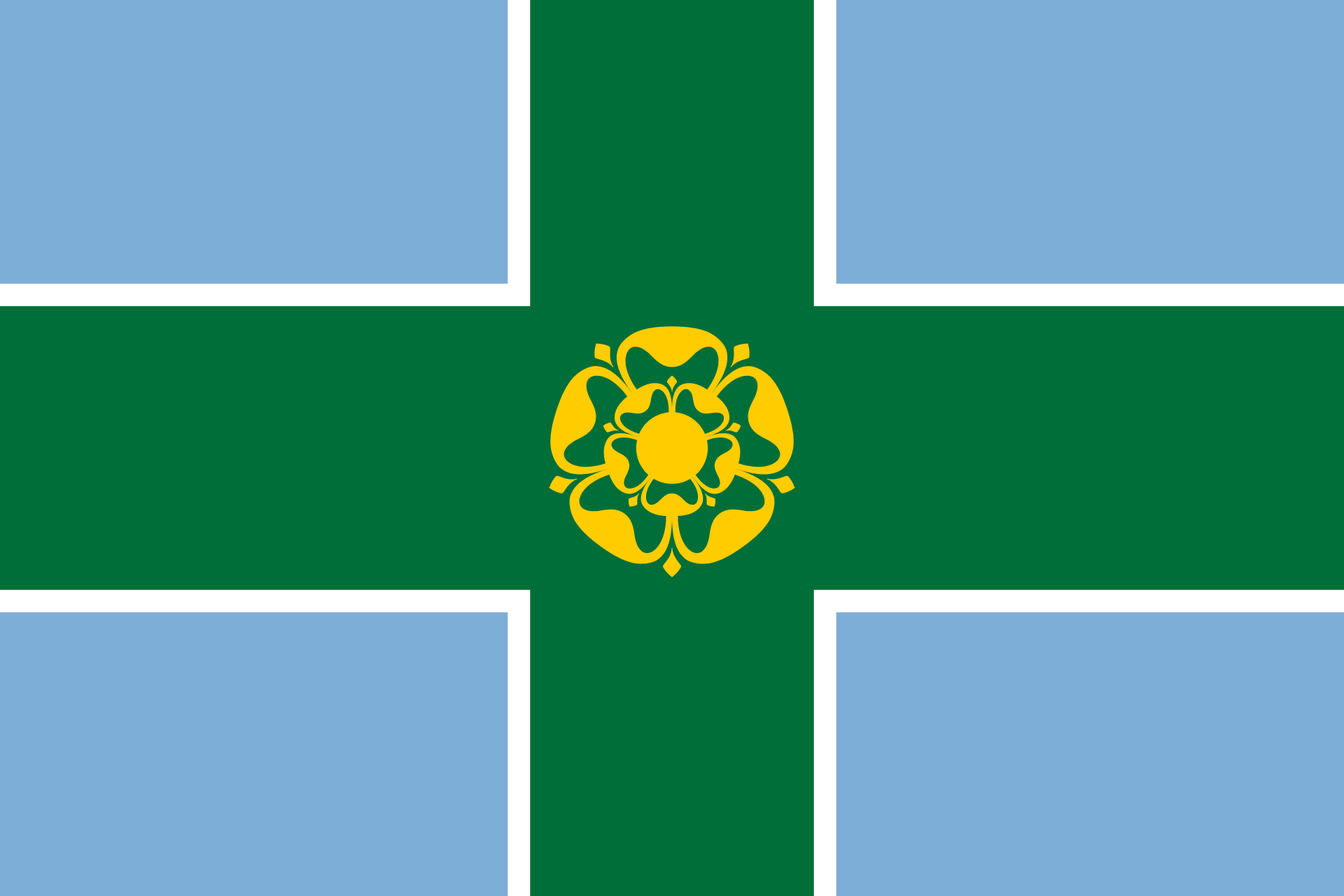 Derbyshire
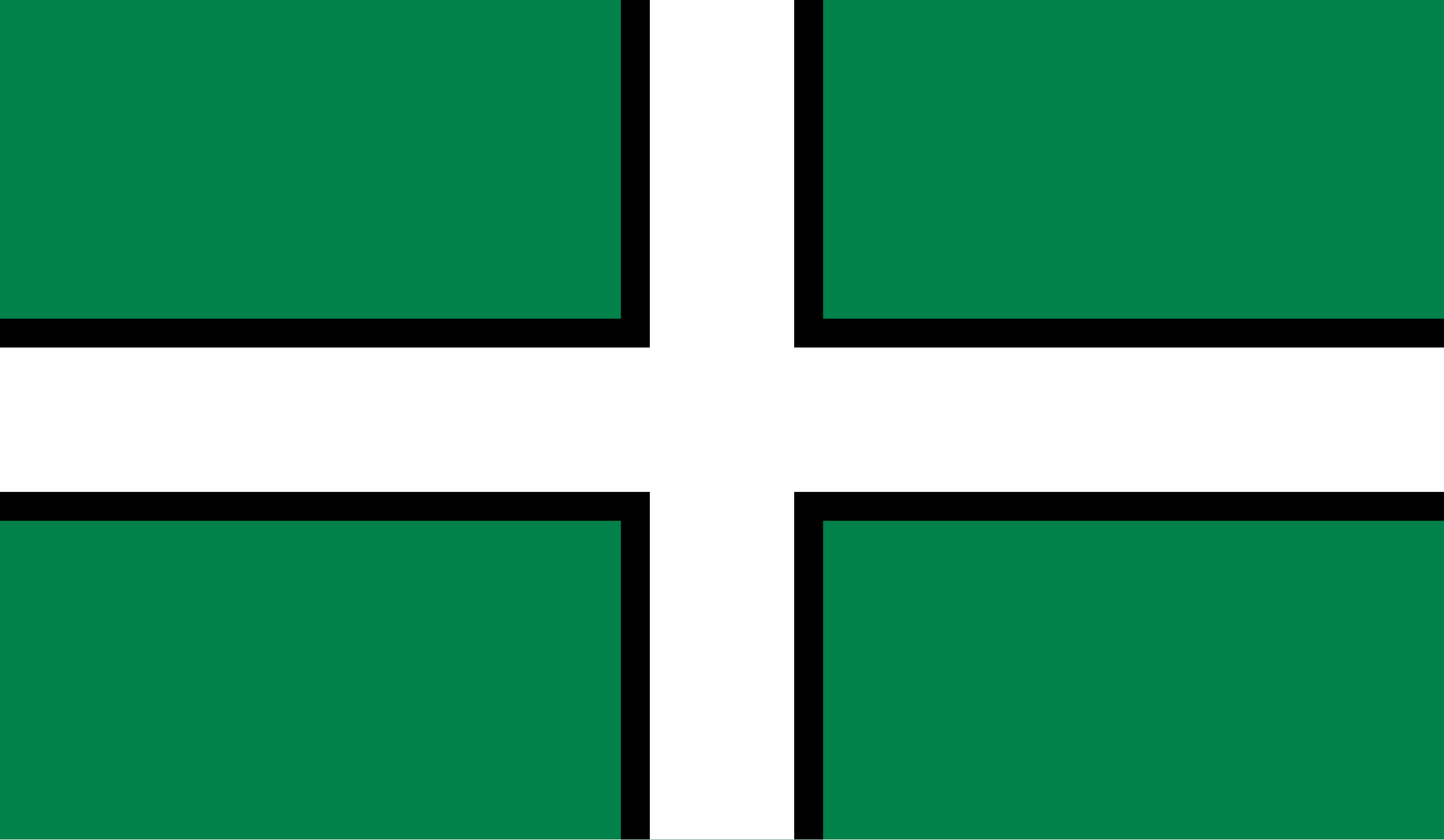 Devon
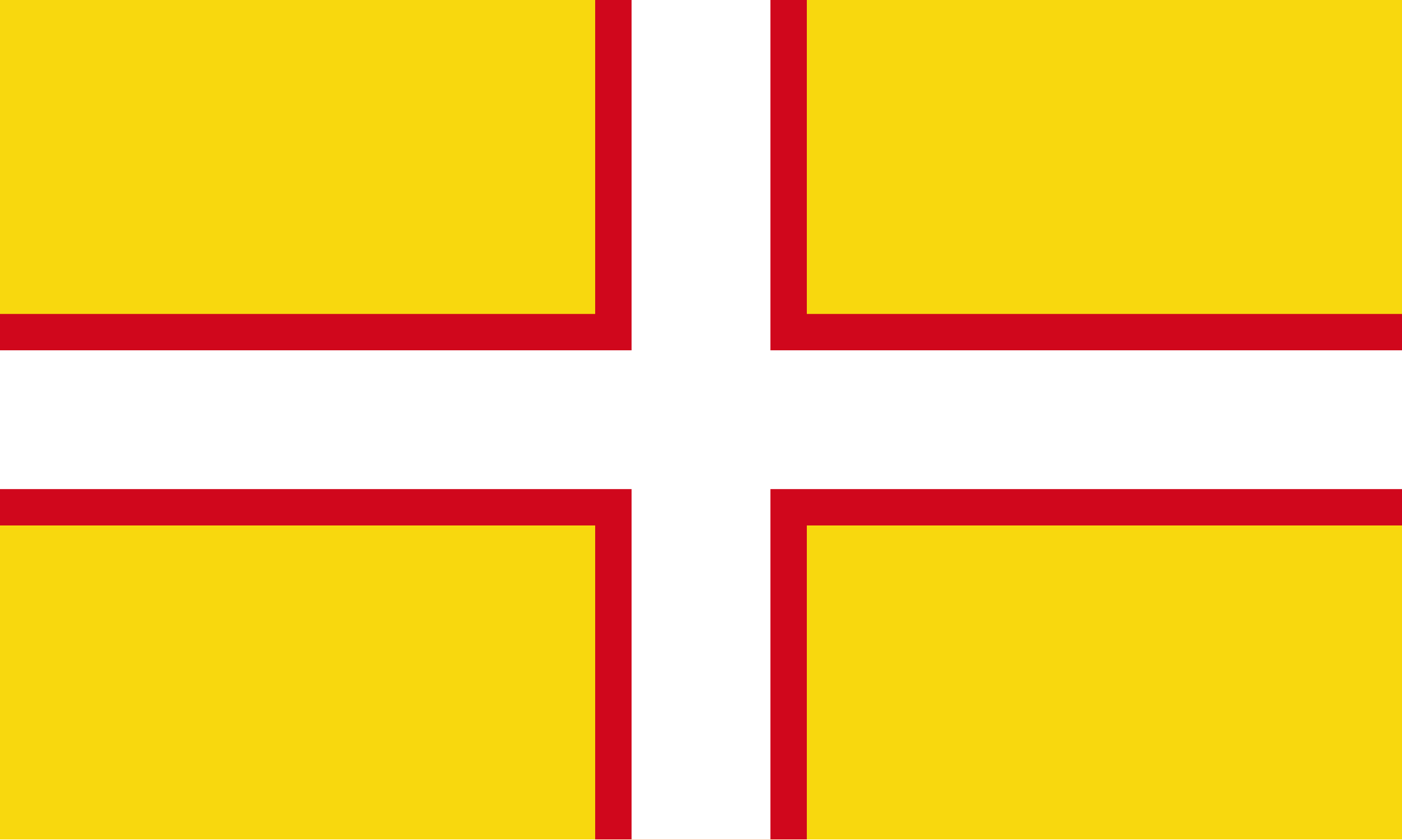 Dorset
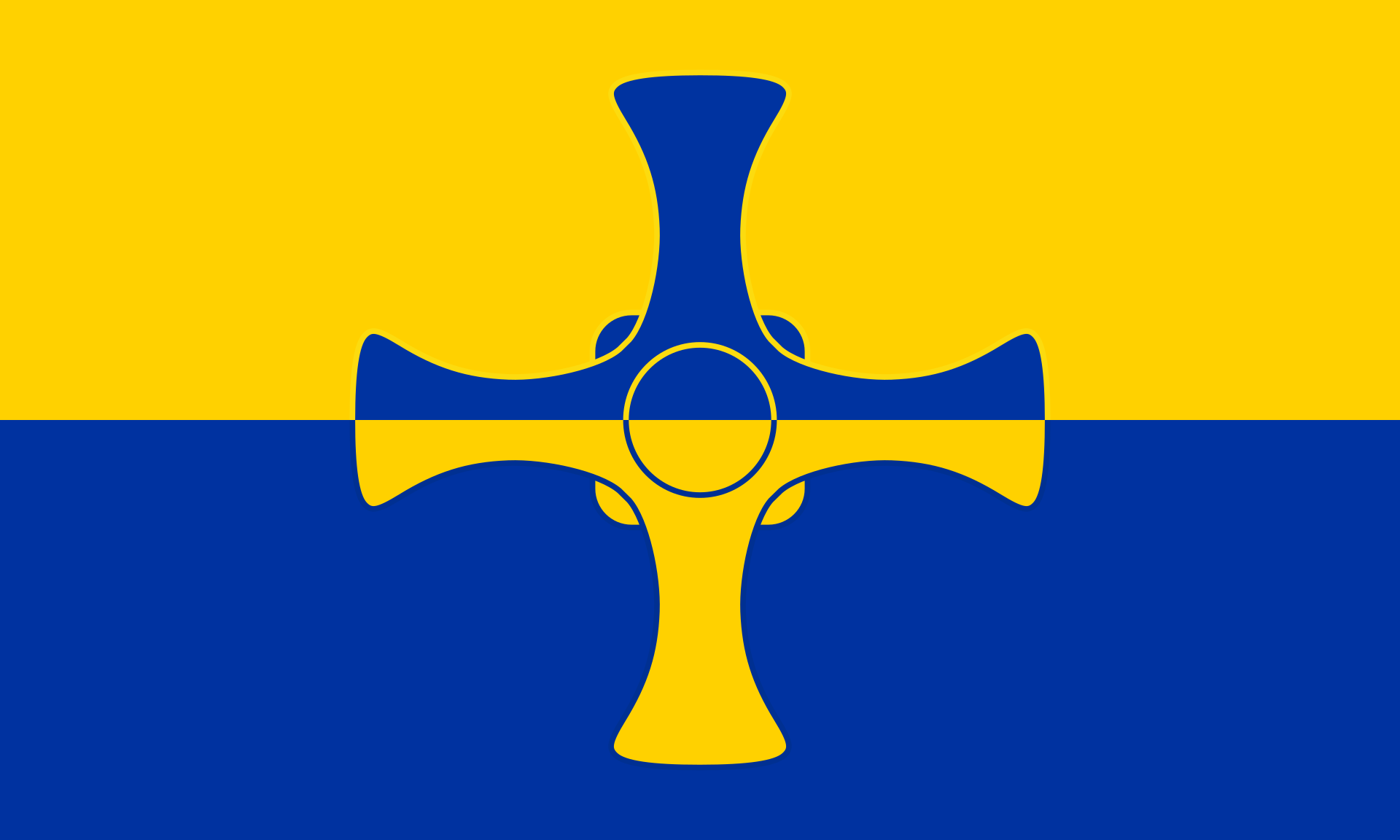 Durham
 Essex
 Hampshire
 Herefordshire
 Hertfordshire
 Huntingdonshire
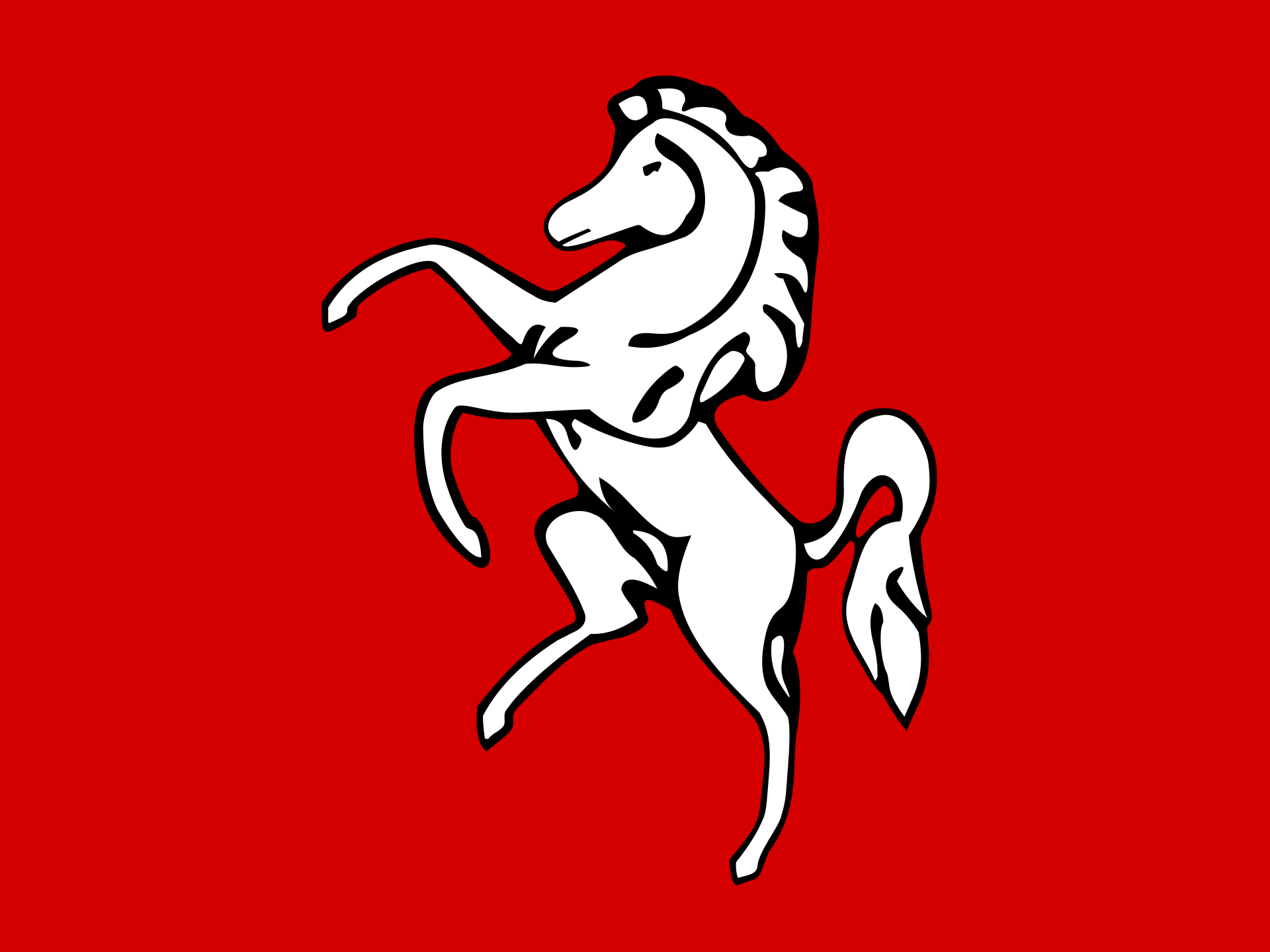 Kent
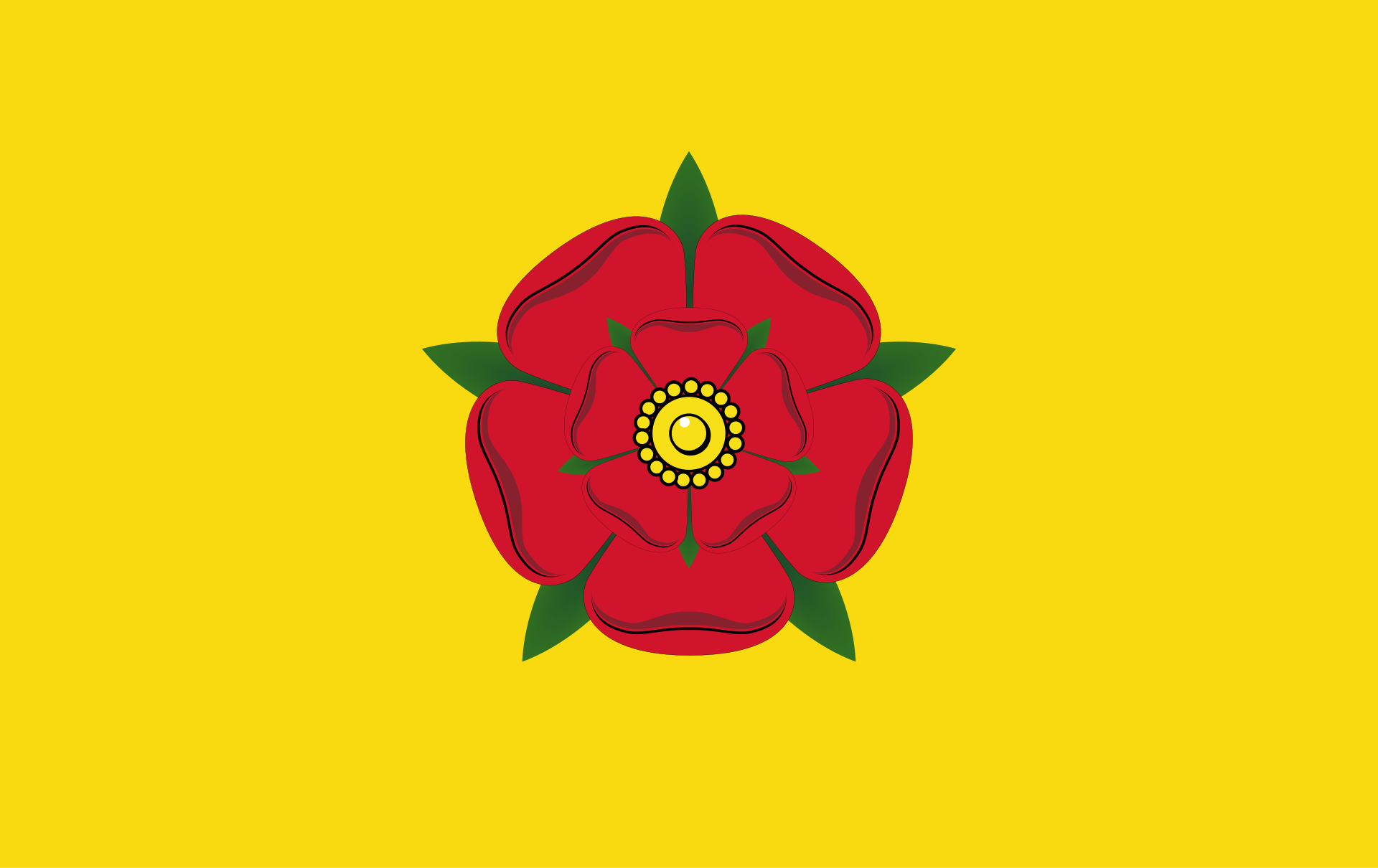 Lancashire
 Leicestershire
 Lincolnshire
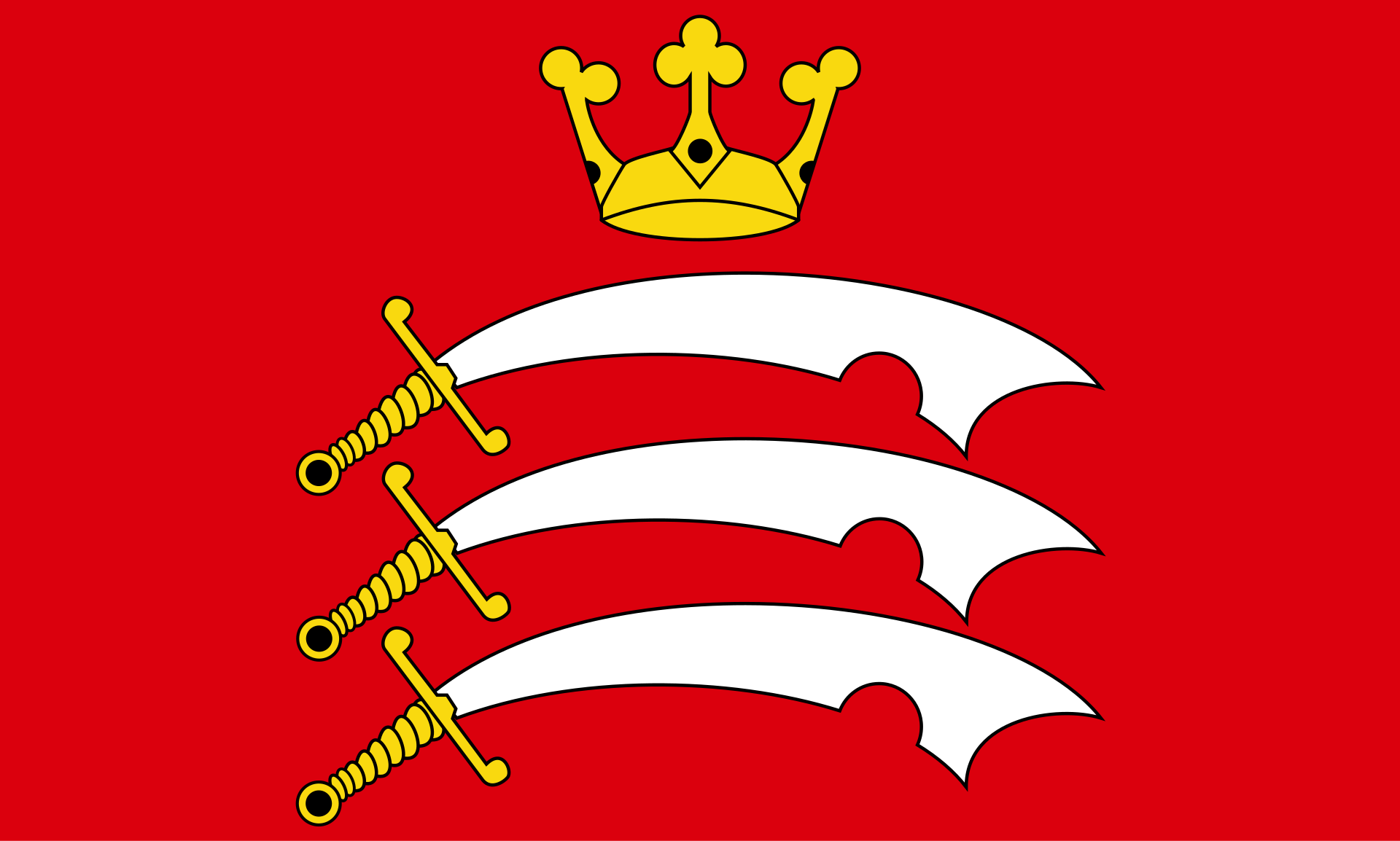 Middlesex
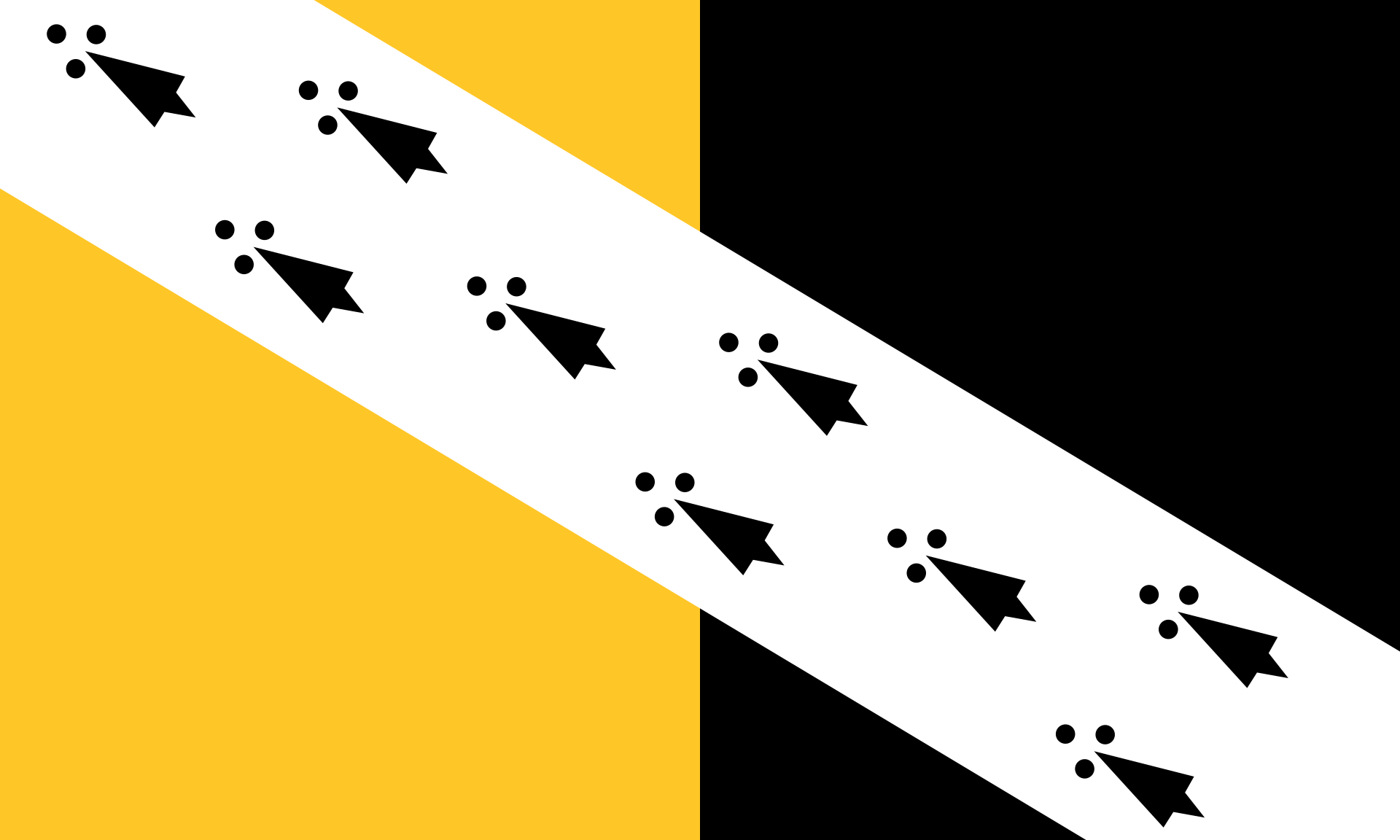 Norfolk
 Northamptonshire
 Northumberland
 Nottinghamshire
 Oxfordshire
 Rutland
 Shropshire
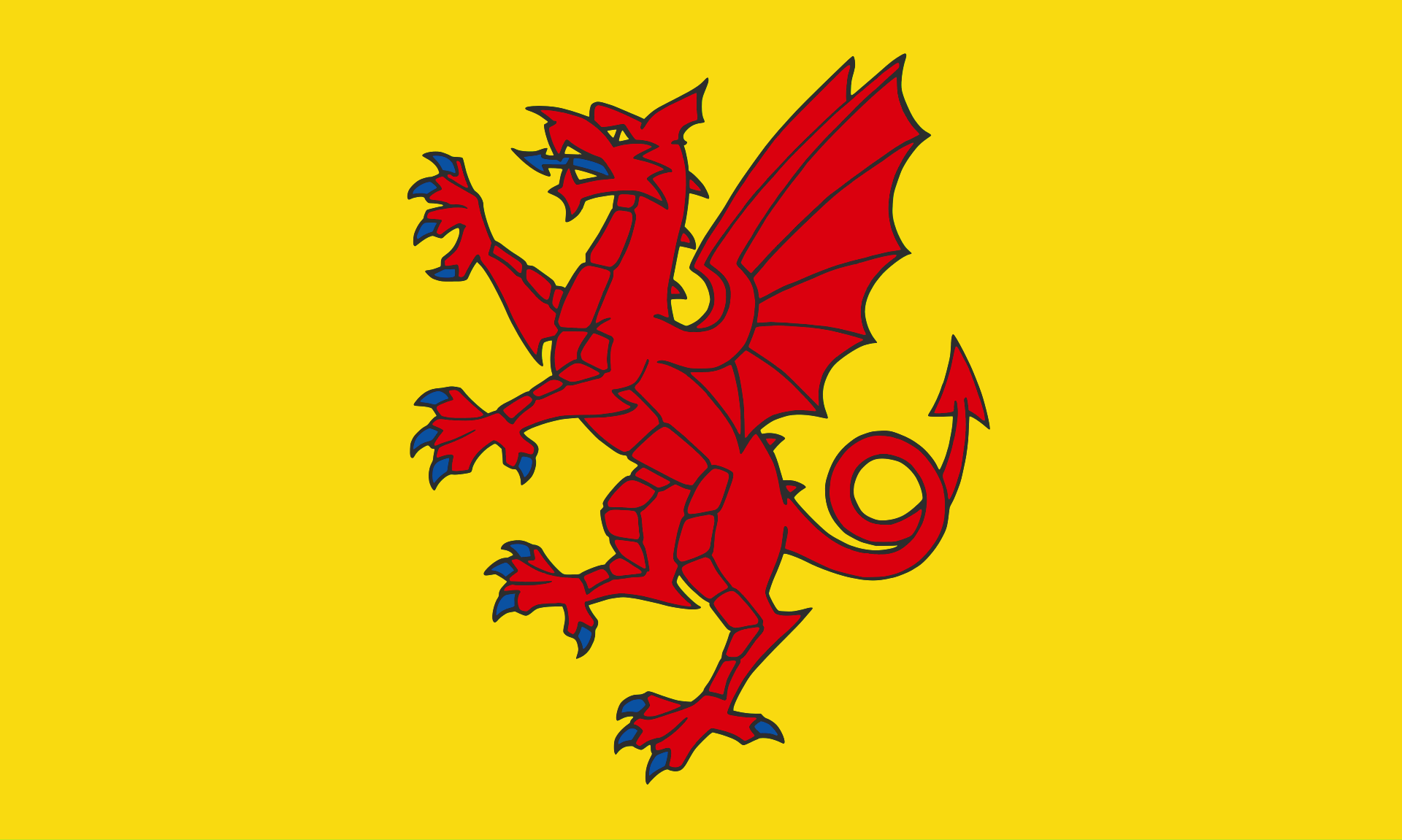 Somerset
 Staffordshire
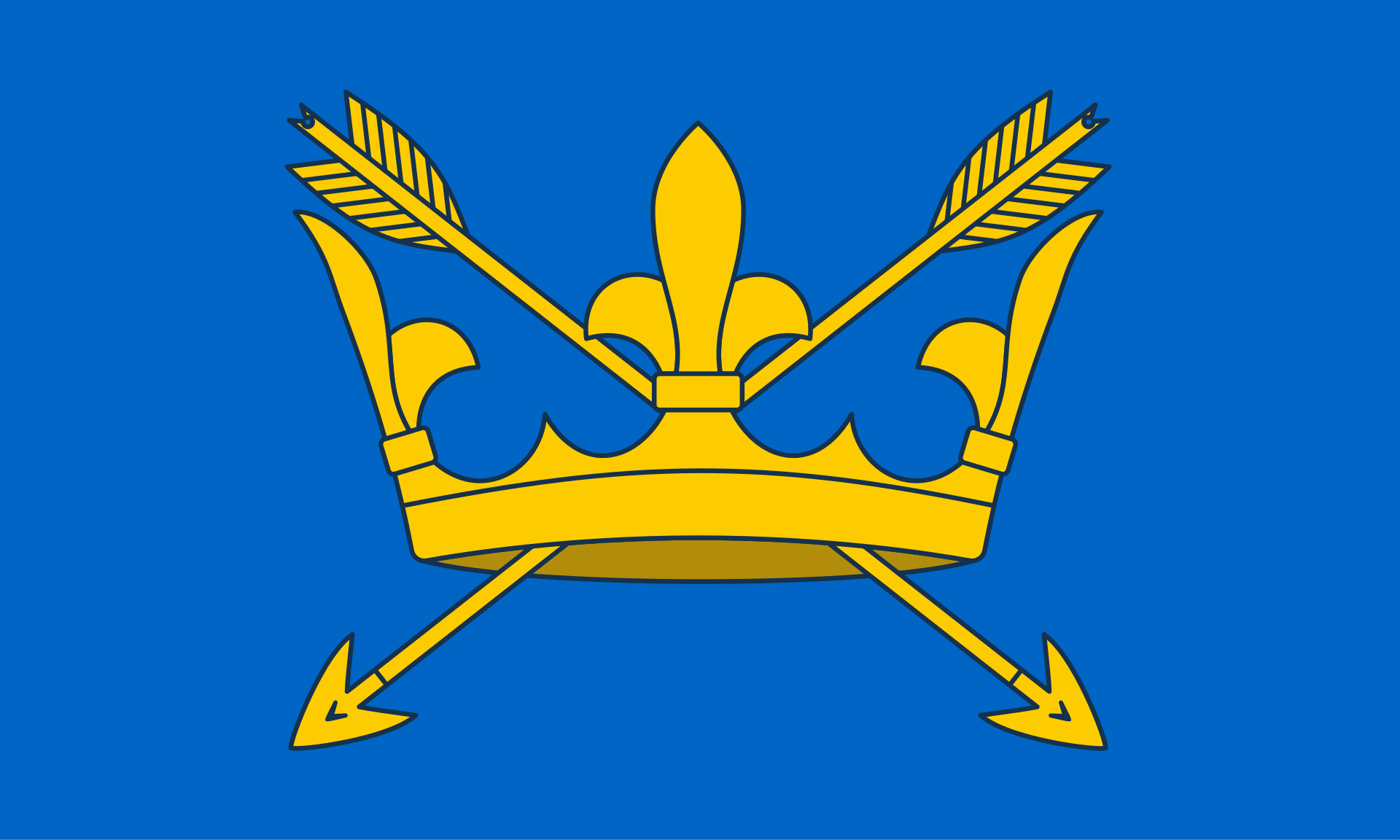 Suffolk
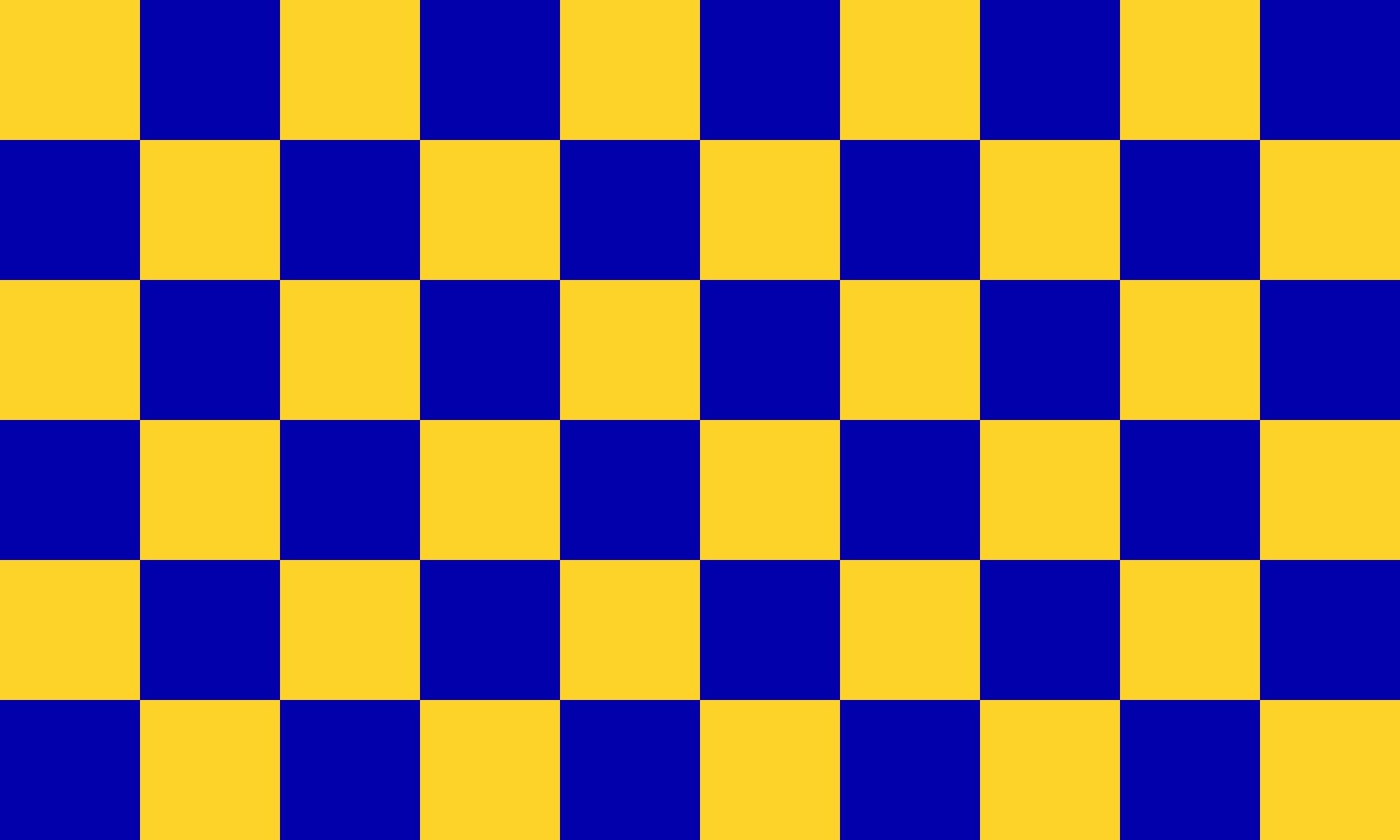 Surrey
 Sussex
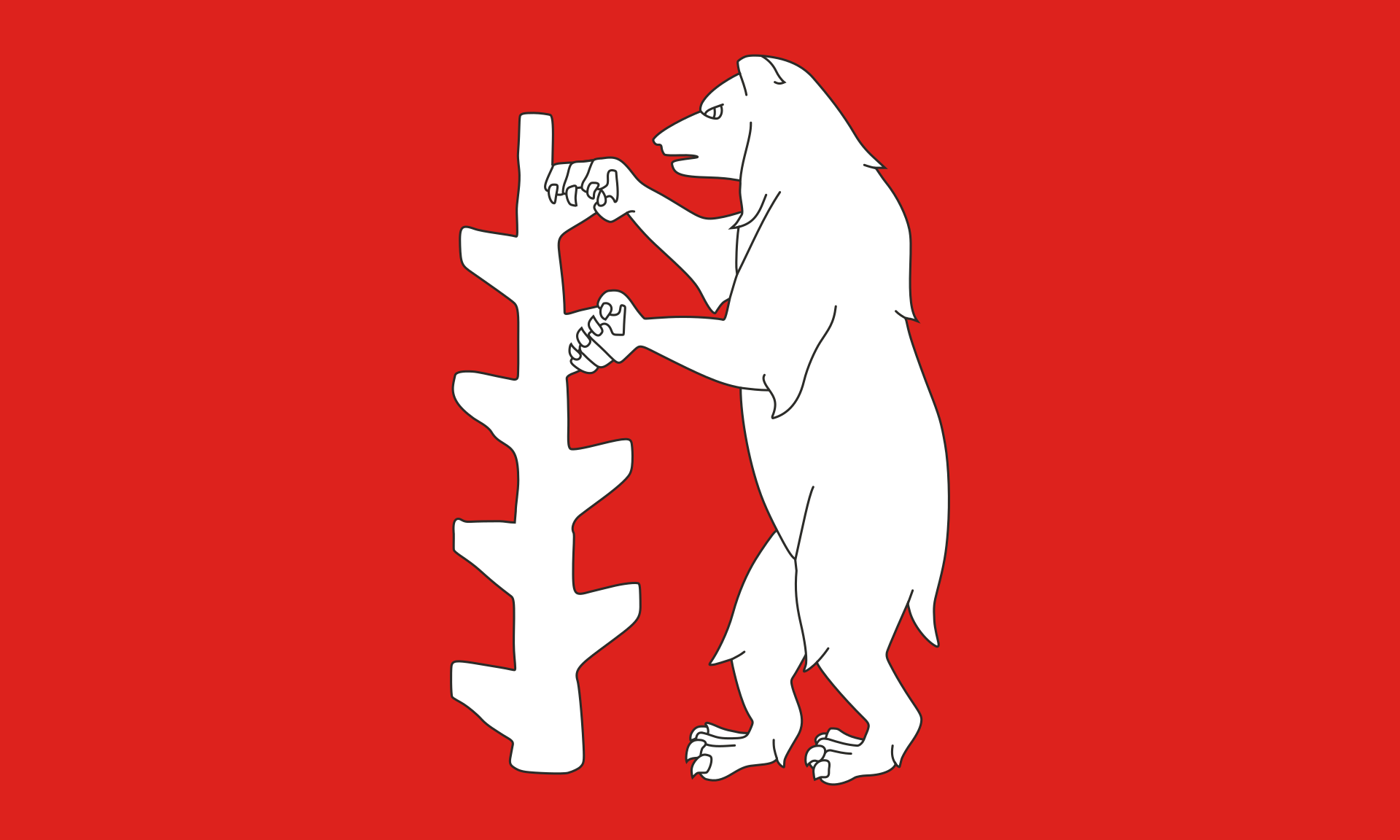 Warwickshire
 Westmorland
 Wiltshire
 Worcestershire
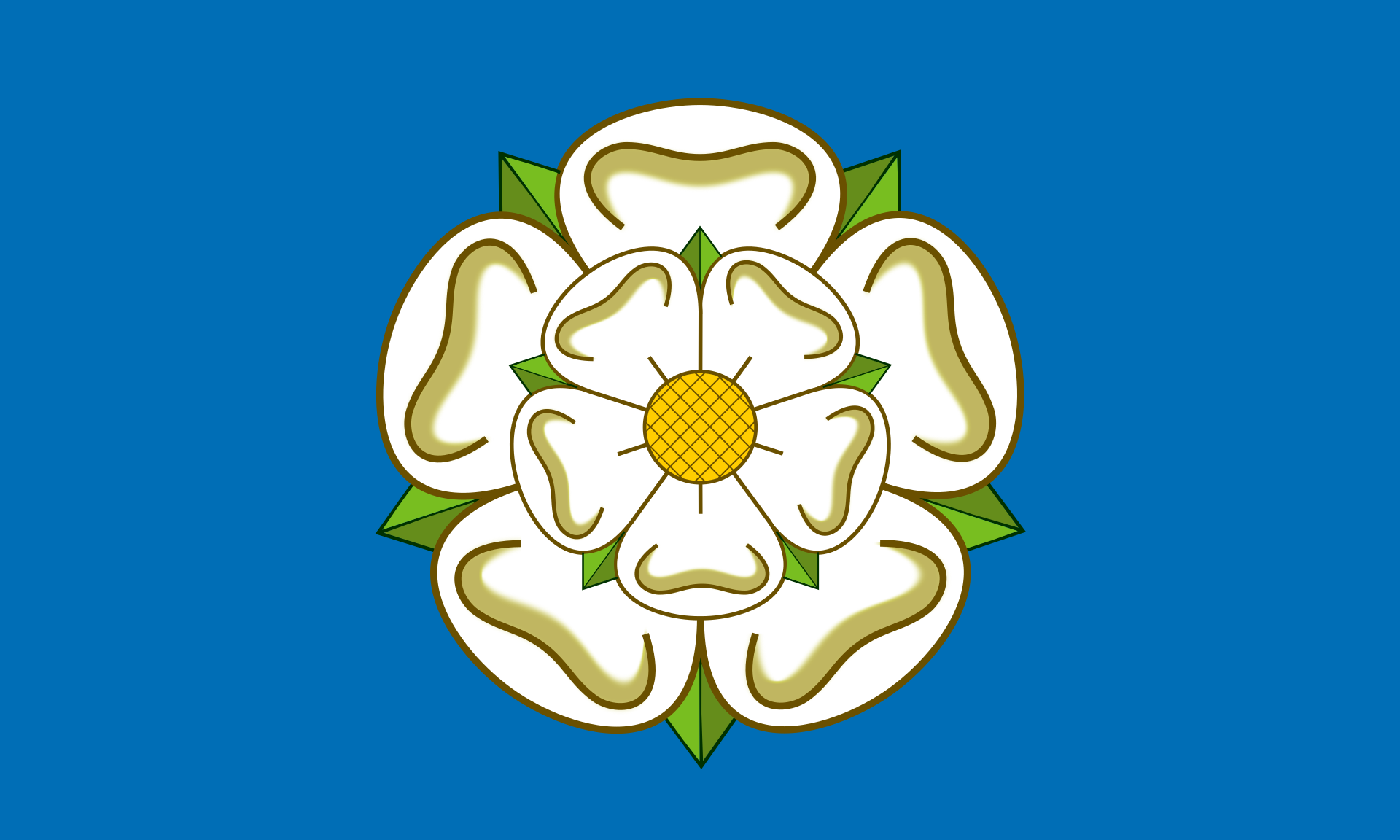 Yorkshire
The flag pictures come from Wikimedia Commons. Those not listed here are in the public domain.
MPs listen to their own constituents. A short letter before 23 April 2027 counts for a great deal.
Copy it, add your name and address and put it in your own words where you can.
Most people have not heard of this Bill yet.